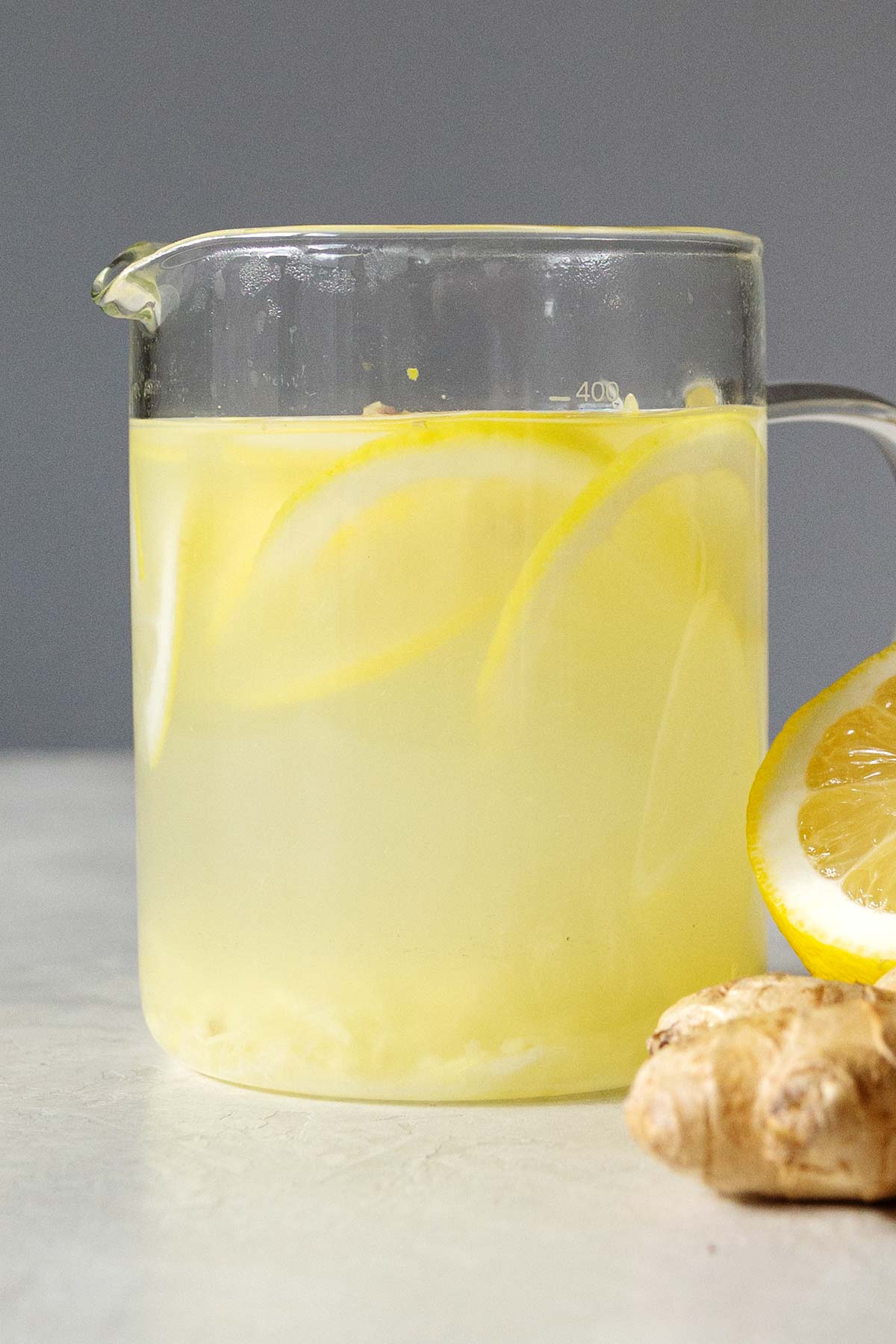
Grate Your Way to Better Ginger Tea: Fast Flavor, No Stovetop
There’s nothing quite like a steaming mug of ginger tea to warm you from the inside out. Whether you’re combating a chilly day, seeking comfort when feeling under the weather, or simply craving a spicy-sweet pick-me-up, homemade ginger tea is a timeless elixir. But if the thought of simmering ginger on the stovetop for ages has deterred you, we have a revolutionary shortcut that will transform your tea-making ritual. Forget the long cook times; we're going to show you how to make ginger tea that's bursting with fresh flavor, quickly and effortlessly, using just a grater and a few simple ingredients.
This innovative method, often lauded by tea experts for its efficiency and potent flavor extraction, leverages the power of fresh, grated ginger. It’s an herbal beverage that’s naturally caffeine-free, offering pure warmth and a zesty zing. By grating the ginger, you significantly increase its surface area, allowing its aromatic compounds and spicy essence to infuse rapidly into hot water, delivering maximum flavor without any fuss. Say goodbye to the stovetop simmer and hello to instant gratification.
The Secret to Speedy Sips: Why Grating Changes Everything
Traditionally, making ginger tea from scratch often involved slicing fresh ginger root and simmering it on the stovetop for a considerable amount of time—sometimes 15 minutes or more—to extract its full flavor. While effective, this method can be time-consuming and energy-intensive, especially when you're looking for a quick remedy or a spontaneous moment of comfort.
Our featured shortcut completely bypasses the stovetop cooking process. The secret lies in a common kitchen tool: the grater. Ginger is the root of a flowering plant and is safe to consume raw, which is key to this method's success. When you grate fresh ginger, you break down its fibrous structure into much smaller particles. This vastly expanded surface area allows the ginger's natural oils and compounds to release almost instantly upon contact with hot water. Instead of slow extraction over heat, you get a powerful, immediate infusion.
This simple switch from slicing to grating not only slashes your preparation time but also yields a remarkably potent and fresh-tasting tea. The difference is palpable: a brighter, more vibrant ginger essence that truly invigorates the senses. It’s a game-changer for anyone who loves ginger tea but is short on time, proving that making a delicious, deeply flavorful brew doesn't have to be a laborious affair.
Gathering Your Essentials: The 4-Ingredient Foundation
The beauty of this quick ginger tea recipe lies in its simplicity. You only need four fundamental ingredients, each playing a crucial role in creating a balanced and delightful beverage. For a serving of about 16 ounces (2 cups), here’s what you’ll need:
Fresh Ginger Root: The Heart of Your Tea
- Selection: Look for ginger root in the produce section of your local supermarket. Choose pieces that are firm, plump, and smooth-skinned, avoiding any that appear shriveled, dry, or moldy. Don't be shy about breaking off a smaller piece from a larger root if you don't need the whole thing; ginger is often sold by weight.
- Preparation: While some prefer to leave the peel on, we recommend peeling your ginger for the cleanest flavor. A spoon is surprisingly effective for scraping off the thin skin, making the process much easier than using a knife or vegetable peeler. For approximately one cup of water, a half-inch piece of ginger root is a good starting point, but you can adjust this amount to match your desired spiciness.
- Tip: If you frequently make ginger tea, consider grating a larger batch of ginger and freezing it in a resealable plastic bag, flattened for easy breaking. This ensures you always have instant ginger ready to go!
Lemon: The Bright Balancer
- Purpose: Lemon adds a wonderful tartness and citrusy aroma that beautifully complements and balances ginger's sharp, spicy notes.
- Options: You can use a few thin lemon slices or the fresh juice from half a lemon. Both work perfectly well.
- Preparation: Always scrub and wash your lemons thoroughly, especially if you're using slices with the peel.
Honey: The Sweet Soother
- Purpose: Honey sweetens the tea, mellowing the ginger's intensity and adding a soothing warmth. It's added to taste, allowing you to customize the sweetness level.
- Type: Any type of honey you have on hand will work. Local, raw honey can also offer additional benefits.
- Addition: It's best to add honey after steeping and straining, allowing you to adjust the sweetness precisely.
Water: The Essential Carrier
- Quality Matters: Since tea is predominantly water, the quality of your water significantly impacts the final taste. Always use filtered water for the cleanest, purest flavor.
- Temperature: Bring your filtered water to a full, rolling boil for optimal flavor extraction.
Your Step-by-Step Guide to Grated Ginger Tea Perfection
Ready to experience the fastest, freshest ginger tea you've ever made? Here's how to do it with our grating shortcut:
- Prepare Your Ginger: Using a spoon, gently scrape the peel from your fresh ginger root. Once peeled, grate the desired amount of ginger directly into your teapot or a heat-proof mug. Remember, a little goes a long way, especially with fresh, grated ginger!
- Add Lemon: Place a few thin lemon slices or pour the juice from half a lemon into the teapot alongside the grated ginger.
- Boil Water: In a kettle or pot, bring your filtered water to a full, rolling boil. The intense heat is crucial for quickly extracting the ginger's essence.
- Combine and Steep: Carefully pour the hot, boiling water over the grated ginger and lemon in your teapot or mug. Immediately cover the teapot with its lid or place a saucer over your mug. Covering helps to trap the aromatic compounds, ensuring a more flavorful brew.
- Steep for Flavor: Herbal teas, unlike black or green teas, can steep for longer periods without becoming bitter. The longer you steep, the stronger and more pronounced the ginger and lemon flavors will be. A good starting point is 5-10 minutes, but feel free to experiment to find your preferred strength. For more nuanced insights on achieving the ideal steeping time and temperature, you might find valuable advice in our article, Quick & Easy Ginger Tea: Sommelier Tips for a Perfect Brew.
- Strain and Serve: Once steeped to your liking, place a fine-mesh strainer over your teacup and carefully pour the tea, separating the liquid from the grated ginger solids and lemon. While straining provides a smoother sip, some people enjoy leaving the grated ginger in their cup for an even bolder flavor and texture.
- Sweeten to Taste: Add honey to your hot tea, stirring until it dissolves completely. Adjust the amount of honey until it reaches your desired level of sweetness, perfectly balancing the spicy ginger and tart lemon.
Enjoy your remarkably fresh, potent, and quickly prepared ginger tea!
Beyond the Basics: Customization & Wellness Insights
While the classic four-ingredient recipe is a masterpiece in itself, the beauty of homemade ginger tea is its versatility. Once you've mastered the foundational method for how to make ginger tea, you can begin to explore various ways to customize it to your personal preferences and amplify its wellness potential.
Adjusting Your Flavor Profile:
- Spice Level: If you crave a more intense kick, simply increase the amount of grated ginger. For a milder, more delicate brew, use less.
- Tartness: A squeeze of extra lemon juice can brighten the tea further, adding a delightful tang. Conversely, less lemon will allow the ginger's warmth to take center stage.
- Sweetness: Beyond honey, you could experiment with maple syrup, agave nectar, or even a touch of stevia, though honey's natural floral notes often pair best.
Elevating with Additional Enhancements:
Don't be afraid to introduce other ingredients during the steeping process to create unique flavor profiles:
- Warming Spices: A cinnamon stick, a few cloves, or a star anise pod can deepen the tea's warming qualities and add complex aromatic layers.
- Fresh Herbs: A sprig of fresh mint or a few basil leaves can provide an unexpected, refreshing twist.
- Citrus Variations: Slices of orange, lime, or even a few dried orange peels can introduce different citrus notes.
- A Dash of Heat: For an extra fiery kick, a tiny pinch of cayenne pepper steeped with the ginger can truly invigorate the senses.
Ginger Tea for Wellness:
Ginger has been revered for centuries in various cultures for its purported health benefits. While this article focuses on preparation, it’s worth noting that ginger tea is widely consumed for its potential to:
- Soothe Digestion: Often used to calm an upset stomach and ease nausea.
- Provide Warmth: Excellent for cold days or when feeling under the weather, helping to promote a sense of inner warmth.
- Offer Comfort: The spicy, aromatic qualities are inherently comforting and can help clear nasal passages during a cold.
Embracing the simplicity of this 4-ingredient recipe is a fantastic way to incorporate the goodness of ginger into your daily routine. For more inspiration on crafting a comforting beverage that supports your well-being, take a look at our guide to Homemade Ginger Tea: Simple 4-Ingredient Recipe for Wellness.
Conclusion
Making delicious, fresh ginger tea doesn't have to be a lengthy process. By embracing the simple yet effective technique of grating fresh ginger, you unlock a world of fast flavor without ever needing to turn on your stovetop. This method ensures every sip is imbued with the vibrant, spicy, and comforting essence of ginger, perfectly balanced by the brightness of lemon and the sweetness of honey. It's a quick, easy, and endlessly customizable way to enjoy a wholesome, caffeine-free beverage that truly warms the soul. So, grab your grater, boil some water, and experience the unparalleled taste of homemade ginger tea in minutes. Your taste buds—and your well-being—will thank you.
